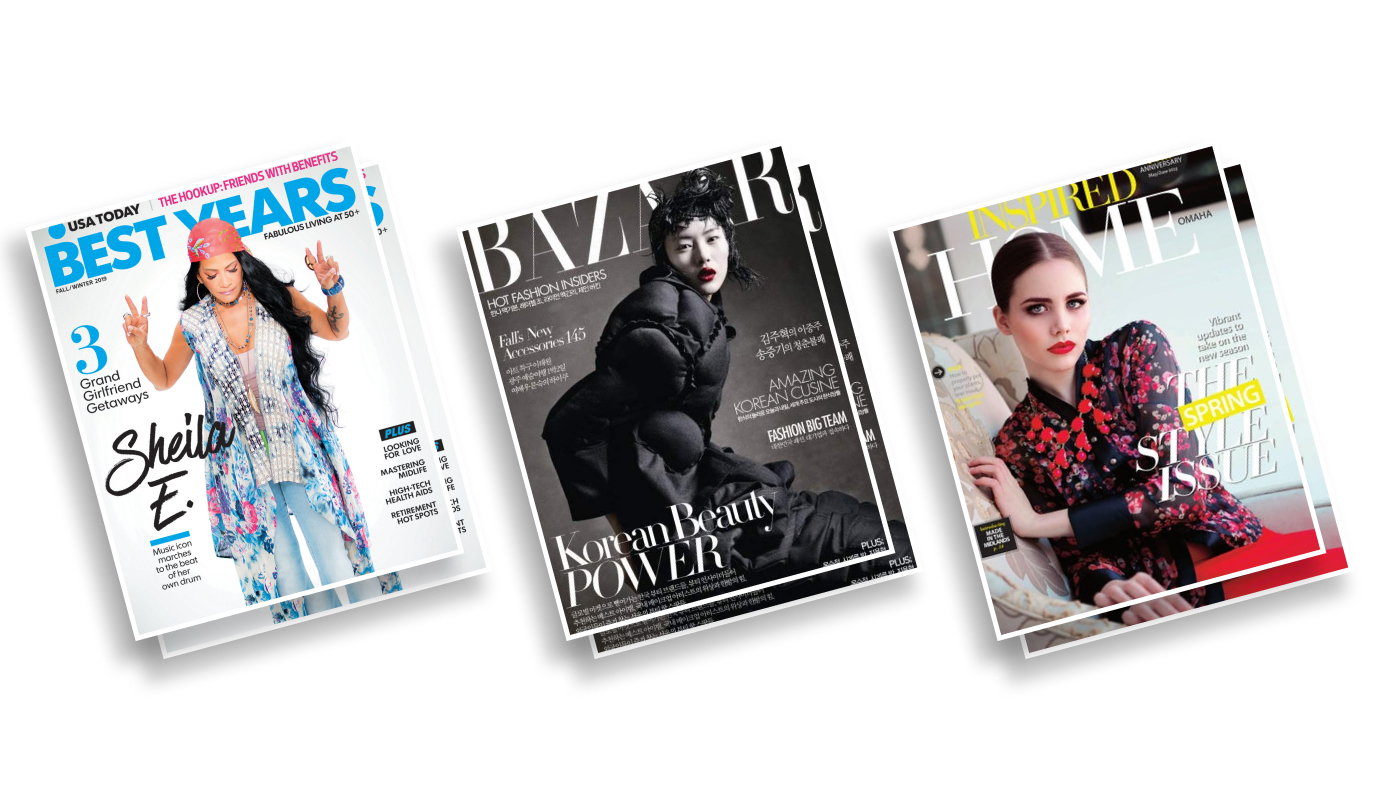
I still remember the first time I saw someone I knew being featured in a magazine. Over coffee, a group of friends were chatting about how they had been seen on the news, and I thought it must have taken some sort of secret connection.
But honestly, it was more about taking the right approach with a good story, having persistence, and knowing the steps to take.
It isn’t about being famous; it’s about how you break your ideas down and put them together. The process may not always be easy, but when you know what’s needed, you’ll find yourself cheering because you’ve unlocked an opportunity that once seemed big and out of reach.
I’ve often wondered why some stories get published and others don’t. The reasons lie in landing press coverage that boosts your credibility and expands your business exposure.
In the digital age, where content overload is everywhere, readers still trust traditional media. That means reporters are always looking for newsworthy angles, but they expect relevant pitches tailored to their audience.
A straightforward way to start is by sending a press release, but it must be developing a sharp angle.
This is where I’ve found AceIt Agency to truly help—their ability to craft a draft, refine a pitch, and ensure every Word document is polished like high school journalism notes makes the entire process flow.
They know how to balance the emphasis between traditional and digital media, placing your story in the right era of learning and outreach.
If you’ve ever tried doing this yourself, you’ll realize you often don’t have time to polish every detail, open every door, and keep up with journalism standards. That’s where experience matters.
AceIt Agency understands how to publish effectively, how to open opportunities, and how to polish every element until it shines. When they work with you, they help transform drafts into stories worth telling.
It’s not about being famous—it’s about making your idea strong enough to stand out in a crowded space, connecting with your audience, and knowing exactly when to step forward with confidence.

What does it mean to get featured in magazines?
In my experience, many PR specialists are concerned with what it truly means to be featured in a magazine, and the reality is that getting noticed isn’t limited to a front cover splash—it could be an interview, an article, a small mention, or even a quote inside a compelling story written by a respected journalist.
The term “featured” actually stems from the old days of media when everything relied on print, but the same principles still apply today. With the rise of online magazines, visibility has become even more prevalent, offering more chances than ever before.
At AceIt Agency, we help professionals and brands cut through the noise, positioning their stories so they resonate across both traditional outlets and modern platforms—whether it’s securing that cover, a powerful article, or being the expert voice quoted at just the right time.
Media coverage can super-charge your growth.
Whether it’s products you sell in a shop, a special event, or even a course designed to draw attention, the right media exposure can transform everything.
I’ve seen a musician, an artist, and even a writer each build a loyal audience simply by getting featured in newspapers or magazines.
The truth is, every creative has a story worth telling, but too often they’ve only tried the same old press releases or reached out to journalists as just one of many individual pitches landing on the other side of the inbox.
When an outlet is truly interested, it can change the trajectory of your service or career in ways you’d never expect.
At AceIt Agency, we’ve mastered how to craft these moments so that visibility isn’t left to chance—it’s built with precision, persistence, and the right storytelling strategy.

How to get featured in magazines: provide value
Do Something Remarkable
When you go beyond the usual rules of what’s expected, that’s when the media starts paying attention.
A band playing a local gig that happens every day won’t raise eyebrows—but the same band performing solely for deaf people instantly becomes interesting.
Journalists want to see you stress what makes you different, to uncover the new ideas and angles that feel truly exciting.
In my own journey, I’ve found that the more original the effort, the more likely it is to spark curiosity and earn that coveted coverage.
Find a great angle. In fact, find more than one!
The way a story is presented can shift depending on whether it’s aimed at a local paper focused on its area, or national papers that chase wider trends.
A trade magazine, a consumer title, or even blogs and podcasts all demand a distinct niche or specialism, which means you need a creative angle for each.
From my own pitching experience, the approach that wins over an audience is one that matches the publication’s interests, showing the editor you’ve done the work of tailoring your idea.
Yes, it takes time and sometimes a lot of heavy lifting, but finding a new way to connect a general issue with something specific, or reframing a strange topic so it resonates, is exactly what makes your pitch stand out in a crowded media landscape.
Keep it short and to the point
Working with busy editors and journalists, I quickly realized they only give attention to pitches that respect their time and their readers.
If you want them to truly care, you need a strong, punchy angle with an emotional hook that makes them stop scrolling. Be clear about the event or product, explain where to buy, how much, and keep it specific.
Always provide exactly what they need without fluff—mention the essentials so they know what their audience will want, and answer the basic questions of where and when upfront. That’s the kind of precision that gets stories noticed.
Craft an Eye-Catching Subject Line
I’ve learned that sending a press release or a pitch only works if the story idea grabs attention from the very first glance at the subject line.
Journalists see hundreds of messages daily, so a generic note about an exhibition by a local artist might be accurate, but it won’t command attention.
Compare that to highlighting the first ever art show inside an 800-year-old Scottish castle—suddenly you’ve framed something unique that will attract media interest.
The goal is to craft subject lines that spark immediate curiosity while staying grounded in the value of the story you’re presenting.
Add Timely & Relevant Data
Editors quickly lose interest if a person keeps quoting stale statistics or outdated reports that are ten years past their date; instead, you need to search regularly for new stats and data that strengthen your angle.
A magazine cover won’t be earned by pushing a dry academic study, but by showing the nature of how work is changing post-pandemic, especially when you feature and discuss real-life experiences.
I’ve seen pitches resonate when they highlight the reality of home-working hell, where a partner, housemates, or friends are all working remotely, and connect that story back to business insights.
Those details don’t just make a piece engaging—they make it relatable, fresh, and far more likely to get picked up.
Pitch to the Right Publication & Person
What might seem obvious to some is often the biggest mistake I’ve seen in media outreach: sending stories to the wrong place.
When I edited The Face, freelance writers would send endless live reviews that never matched the magazine review section, and at The Observer, I watched poorly pitched stories land in the wrong newspaper publication, leaving editors frustrated.
Every outlet has its own readership and audience, so successful pitching comes down to aligning your story idea with the most suitable section or slot.
If you want to write an opinion or comment, then the right editor must receive it—not the newsdesk or a journalist who specialises in another area.
It’s about knowing who handles what, and that insight is what separates a strong pitch from one that gets deleted or tossed in the bin.
In my experience, the best results come from proper research—checking the masthead, scanning social media, and seeing what formats appear in each issue.
Sometimes a template letter or direct feedback will explain why your last attempt didn’t land, and that’s where refining the next move matters.
A compelling quote, relevant data, and a clear understanding of how a paper or magazine prefers to show its work can transform your credibility. Even how an editor edits content tells you how to frame your pitch.
AceIt Agency guide writers through this process, ensuring each pitch is placed with the right person in the right publication, which is why our clients consistently break into respected outlets with precision and impact.
Get Personal & Human
The most impactful pitches are those that connect with a deeper cause, whether you raise money for charity, highlight a mission, or simply show how your service or art can help people.
Journalists are drawn to stories that portray something bigger than just promotion, because the result feels authentic. By owning your narrative and being clear in describing your journey, you make it easier for your story to be covered.
With practice, focus on creating an emotional connection, cut out unnecessary waffle, and emphasize the good parts of your journey.
When you share not only what you do but why you do it, the ways your work impacts others, and the personal details that make you human, editors find it much easier to say yes—and that’s what turns your yourself into the kind of profile worth featuring.
Build Media Relationships
One of the smartest moves I’ve seen is to follow media people on their socials, paying attention to the stories they already cover and even leaving a thoughtful comment when something resonates.
Over time, those small touches add up, especially if you also invite them to your gigs, openings, or events, where a personal story can spark a real relationship.
Strong publications thrive on trust, and while it takes energy to keep building these ties, the long-term payoff is always rewarding for both sides.
A great partnership with journalists isn’t built overnight—it comes from consistently showing up, doing things a little different, and respecting the work that’s already been done.
Be Prepared with a Press Kit
As Lucy Werner points out in her book Hype Yourself, having a press kit ready is one of the most practical suggestions for anyone pitching to the media.
From my own experience, editors appreciate when everything they need is in one place—professional photographs, a mix of head shots, product and lifestyle pictures, even images of you working.
A strong kit should also include a one-liner that clearly and briefly tells people who you are and what you do, along with a longer bio of a few hundred words.
Sprinkle in quirky facts that spark curiosity, because those are often what journalists remember. When you prepare like this from the start and use it consistently, you save time and make it far easier for publications to say yes to your story.
Stay Persistent & Patient
Breaking into the newspaper world takes time, energy, and plenty of persistence, and while many people choose to employ PR help, it’s still entirely possible to make progress on your own.
You’ll quickly realize there’s a cost to every post—from the space sold in inches for an ad in a physical publication to what local newspapers might charge for their service.
On the other end of the spectrum, a major outlet like the New York Times can ask over a million dollars for a full-page, full-color spot in their Sunday editions, depending on the amount of reach.
But remember, persistence isn’t only about money; it’s about staying visible, consistent, and prepared so that when the right opportunity comes, your story is impossible to ignore.